
Close up of an abstract AI human face sideways. Technology background

Dermatology

Dermatology trials from first-in-human (FIH) through Phase 1b and proof-of-concept (PoC) studies, across a range of dermatologic indications and clinical assessments. Focused dermatology expertise and integrated CRO execution support efficient, well-coordinated study delivery from start-up through completion.

Board-Certified

Dermatologist on staff

0 +

Active dermatology sites

Indications and study types

Our site intelligence spans high-volume inflammatory conditions and smaller, procedure-intensive patient populations. For each protocol, DVCR evaluates indication-specific patient access against age, disease severity, prior therapy, washout requirements, procedural capabilities, competing studies and site start-up readiness.

Indications

Atopic dermatitis

Vitiligo

Study types

Dermatology assessments

Endpoint readiness

Establish investigator and assessor qualifications, training, and calibration for protocol-specific measures like EASI, SCORAD, IGA/vIGA, PASI, BSA, lesion counts and other disease-specific severity scales.

Standardized image capture

Define lesion selection, photography standards, metadata requirements, image transfer, privacy and central-review workflows before participant enrollment begins.  

Biopsy and biomarker operations

  • Prequalify procedure space, staff competency, biopsy & tape stripping capabilities, sample processing, PBMC or flow-cytometry requirements and shipping timelines.  
  • Across our dermatology network, sites have capabilities including punch biopsy, tape stripping, PBMC isolation and preservation and challenge testing to support complex early phase studies.

Participant-reported outcomes

Align itch, pain, sleep, treatment satisfaction and dermatology quality-of-life measures with visit burden, protocol requirements and ePRO workflows.

Recruitment design

Map patient phenotype, disease severity, age, prior therapies, washout burden, geography, and referral pathways and competing studies to realistic site-level enrollment assumptions.

Protocol-fit site selection

Translate each protocol into a site-level capability profile, with a clear rationale for why each site fits, what could limit performance and how those risks will be managed before selection.

Endpoint quality oversight

Monitor missing assessments, protocol deviations, query aging, data-cleaning trends and other signals that could affect endpoint quality throughout the study.

Dr Hull speaking with a peer
Lab team at work in the research lab
Dr vince clinical research laboratory employee

Our dermatology leadership

Beyond dermatology expertise, sponsors benefit from integrated CRO services that support study execution from startup through final reporting. Clinical operations, project management and medical monitoring provide coordinated oversight across sites, participants and protocol activities. Data management and biostatistics support the collection, review and analysis of high-quality data, while central laboratory services help standardize specimen management and laboratory processes across the study. 
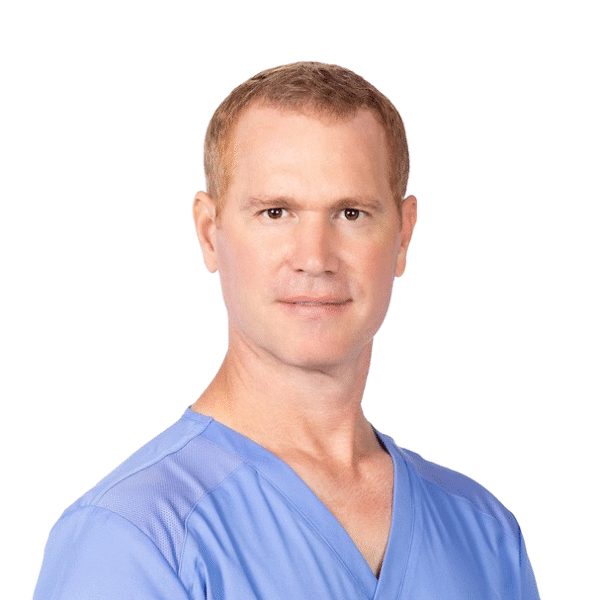
Bradley Vince, DO

CEO & Chief Medical Officer

25 years of experience

Steven Hull, MD

Medical Director & Principal Investigator

25 years of experience

Korey Nevitt

Executive Director, Site Partnerships

25+ years of experience

Close up of an abstract AI human face sideways. Technology background

Related resources