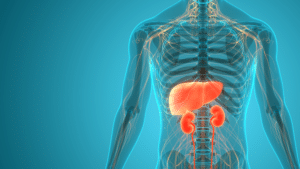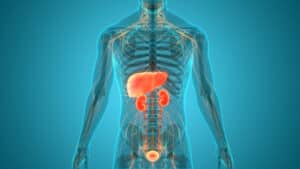
Abstract wireframe intestinal human digestive system. Gut health bowel disease gastrointestinal tract.

Hepatic Impairment

A specialty site network that has conducted more than 150 hepatic impairment studies in the past five years.

0 +

Hepatic impairment studies, past five years

0 +

Combined impairment studies

Why DVCR?

Built differently for hepatic impairment studies

Conducting hepatic impairment trials requires a specific strategy for either full or reduced study designs. These protocols rely on matching healthy control subjects with patient cohorts categorized by Child-Pugh scores, with full designs including mild, moderate and severe impairment, and reduced designs including only moderate impairment. 

Given the global scarcity of sites with the specialized databases and referral networks required to recruit these populations, enrollment often stalls. We solve this challenge through a site-centric model, partnering with high-performing sites/PIs and staff who understand hepatic patients and have the experience to ensure predictable execution.

Our in-house hepatic experts work together on protocol design from the start, ensuring inclusion criteria are practical and match patient population trends to optimize recruitment. Paired with our comprehensive CRO services, we manage every detail—from protocol development to final deliverable within a single organization. This integrated approach ensures predictable enrollment and timely milestone delivery without the friction or handoff gaps of a multi-vendor model.

We assign project managers who specialize in complex clinical pharmacology trials and bring extensive experience leading multicenter studies. This depth of expertise is vital in hepatic trials, where patients frequently present with underlying comorbidities and extensive concomitant medication lists that can complicate eligibility and enrollment.

Our model accelerates site payments to de-risk study delays and keep sites engaged and committed to the study. Engaged sites prioritize recruitment, which protects the study timeline, especially when working with a hard-to-identify patient population.

Aligning inclusion and exclusion criteria with real-world patient profiles is fundamental to study success. By proactively addressing common comorbidities and concomitant medication requirements during protocol design, we eliminate major recruitment barriers. Furthermore, our experienced investigators work directly with treating physicians to guide safe, protocol-compliant medication management—enabling eligible patients to screen successfully and maintain study compliance. Ultimately, a protocol tailored to the actual patient population drives significantly faster enrollment than one based on standard criteria.

01

Site selection and governance

  • Strategic site network and subject matter experts with proven hepatic impairment experience and direct access to target patient populations
  • A site-centric model with hands-on management of partner sites 
  • Tenured project managers assigned to oversee multicenter execution
02

Study design support

  • Single-dose or multiple-dose designs supported, matched to the drug’s PK profile 
  • Full and reduced Child-Pugh designs, with control subjects matched  
  • Eligibility criteria developed with site patient data for common comorbidities and concomitant medications without sacrificing study objectives
03

Integrated CRO services

  • CRO services from protocol development to final CSR  
  • Active site management to protect enrollment and milestones 
  • PK analysis to support dose and dosing-interval recommendations 
  • Central Laboratory and eClinical ecosystem delivers integrated sample logistics, safety testing, data capture, reconciliation and data review

Site network

Big Data Analytics And Business Intelligence Concept. Businessman Holding Global

Related resources