Why DVCR?
Built differently for drug-drug interaction studies
Recruitment and retention
Many DDI designs require extended confinement, and retaining volunteers through the full stay is what determines whether the complete interaction dataset is obtained. We plan recruitment and retention around multi-day confinements, helping maintain participant engagement through study completion.
Interaction potential discovered early in development
Unrecognized or mismanaged drug interactions are an important cause of morbidity and mortality in prescription drug use and have led to approved drugs being withdrawn from the market. Evaluating an investigational drug’s inhibition and induction potential early helps define its risks and benefits before those questions can restrict a label or delay an approval.
A pharmacy team that secures your probe supply before dosing
Sourcing the probe drugs these studies depend on, such as midazolam, carbamazepine, rifampin and itraconazole, among others has become harder as some suppliers rebuild inventory. Our pharmacy team works with multiple preferred suppliers with teams designated for clinical trials, which protects the start date of a study that cannot dose without its probe in hand.
Lot consistency protected across the whole study
Our pharmacy will procure the same lot number of study drug (i.e. probe drug or substrate drug) for all required dosing across the entire study. This removes a source of variability that could otherwise confound the interaction signal you are trying to measure.
Specialized safety oversight for drug-drug interaction studies
Our dedicated, ACLS-certified safety team is experienced in identifying, reporting and responding to adverse events and drug interactions. Because a DDI study deliberately combines drugs to provoke an effect, a team prepared to respond quickly is central to running these studies safely.
Experience in conducting various drug-drug interaction trials
Our team has conducted dozens of CYP enzyme-mediated and transporter-mediated interaction studies, pH-dependent interaction studies with acid-reducing agents and cocktail studies that evaluate multiple pathways.
Results developed, directed and delivered on schedule
We have the resources to develop, direct and deliver DDI study results to sponsors accurately and on time, with proactive and continuous communication throughout. Sponsors know where the study stands rather than waiting on the next scheduled update.
Our approach to DDI studies
DDI studies require specialized operational and clinical expertise. Our team supports sponsors with study design, participant management, pharmacokinetic (PK) sampling and safety oversight to generate reliable interaction data and keep studies on track.
01
Study design
- Randomized crossover (e.g., substrate followed by substrate + inhibitor/inducer, substrate + inhibitor/inducer followed by substrate)
- One-sequence crossover (e.g., substrate followed by substrate + inhibitor/inducer
- Parallel (e.g., substrate in one group and substrate + inhibitor/inducer in another group)
02
Pathway assessment and the cocktail approach
- Assessment across CYP pathways including CYP1A2, 2B6, 2C8, 2C9, 2C19, 2D6 and 3A4/5, UGT pathways (for example, UGT1A1, UGT1A4, UGT1A9, UGT2B7 and UGT2B15) and transporters including P-gp, BCRP, OATP1B1, OATP1B3, OAT1, OAT3, OCT2, MATE1 and MATE2-K
- Cocktail studies that administer substrates of multiple enzymes or transporters together to evaluate inhibition or induction potential across several pathways at once
- FDA-recommended probes and substrates procured and prepared by our pharmacy team
03
Metabolizer genotyping
- Genotyping during screening to include or exclude poor and ultrarapid metabolizers where that information is useful
- Pre-dose genotyping to improve safety margins when strong inhibition of a pathway is anticipated
- Genotyping, typically after the first dose to characterize impact of drug interaction for different phenotypes
04
Physiologically based Pharmacokinetic (PBPK) Modeling
- Predicting potential drug–drug interactions (DDIs) and help determine whether a dedicated DDI study is necessary
- Supplementing dedicated DDI study results in scenarios that may be difficult or unethical to evaluate clinically
Phase I unit infrastructure
Clinical pharmacology unit
- 100 beds for overnight confinement, including 8 private suites
- Retention-focused amenities, including a gaming room, a VIP lounge and a sports themed dining area, which support volunteer retention across stays that can run for multiple days
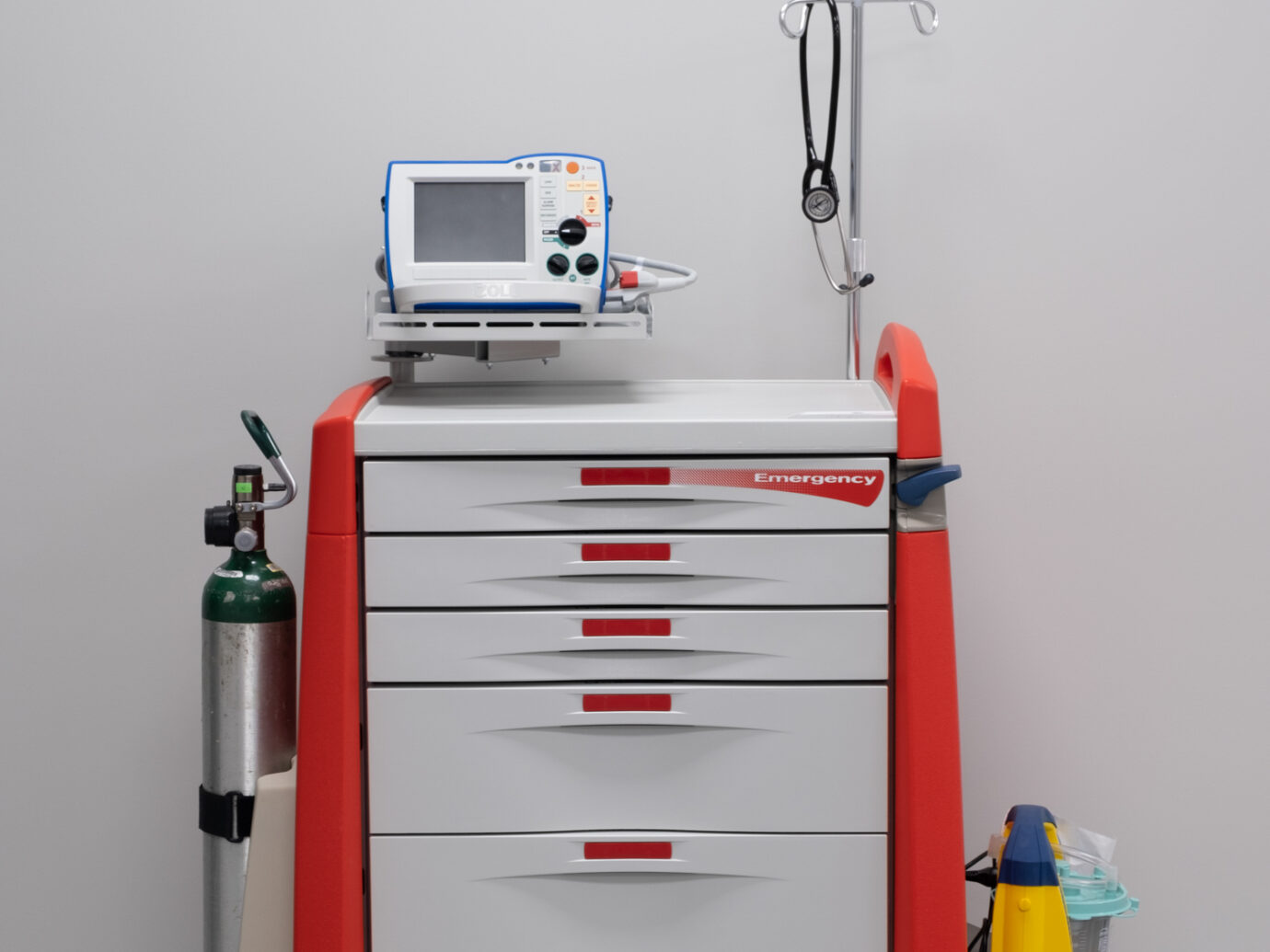
- Video surveillance in volunteer areas, with crash carts located throughout the facility
Pharmacy
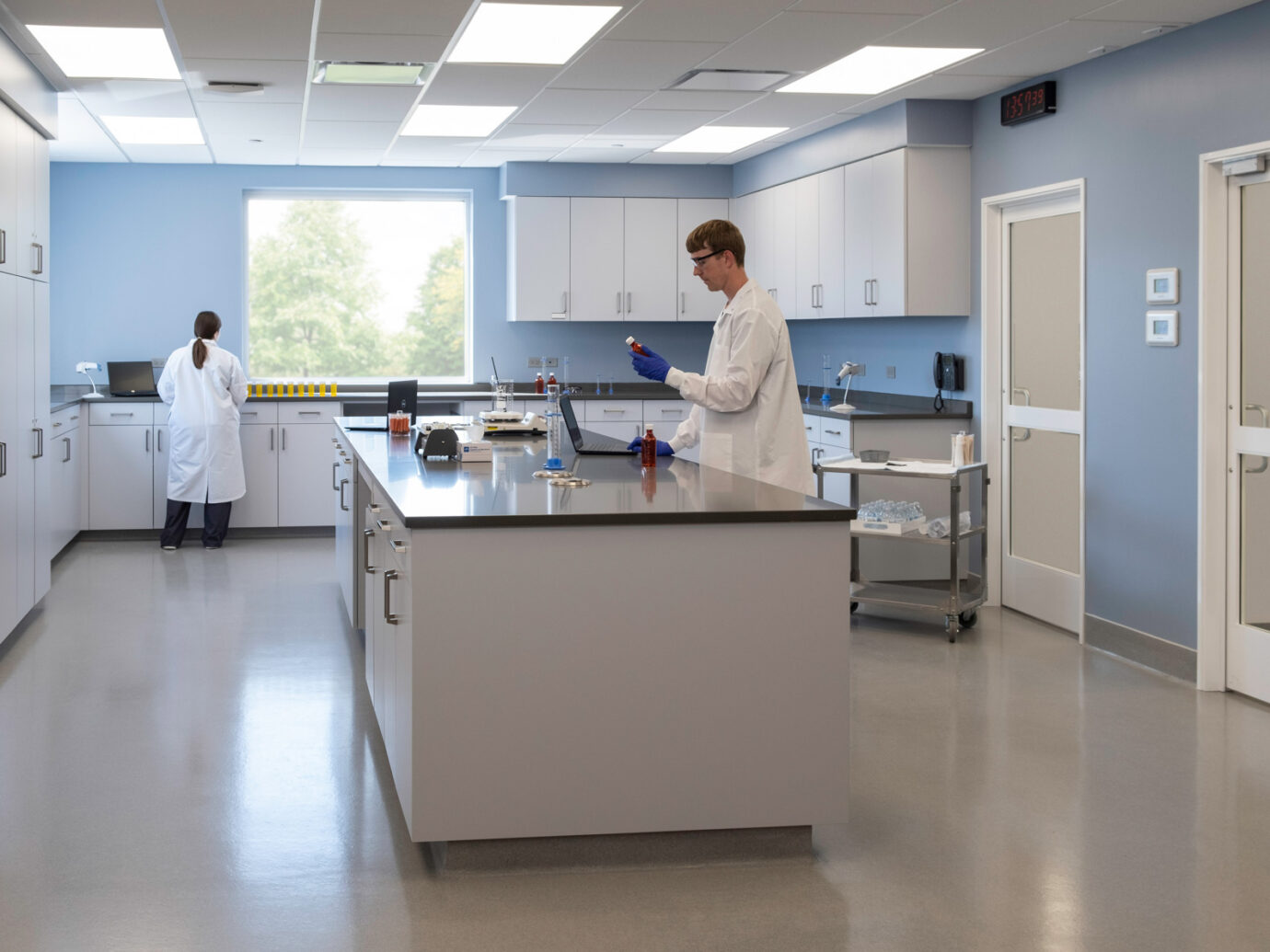
- cGMP-compliant pharmacy with 50+ years of combined staff experience
- Multiple-supplier sourcing of probe drugs, with single-lot procurement and expiration date control maintained for the duration of each study
- Handling and manipulation of study drugs across multiple dosage forms and routes of administration including injectables, oral solutions and powder-filled capsules
Safety team
- Dedicated, ACLS-certified safety team experienced in adverse event and drug interaction response
Related resources
Planning a DDI study?
Talk to a team experienced in
DDI study execution.
Whether you are deciding which pathways to assess or choosing a CRO, we can provide insight into study design, probe procurement and the clinical unit capabilities needed to support successful DDI studies.