Why DVCR?
Built differently for HAP/HAL assessments
The experience sponsors rely on
Our team members have 20 years’ experience in the design, planning and conduct of these studies, taking into account the population, the endpoints and the operational complexities that determine study success.
Protecting the integrity of subjective endpoints
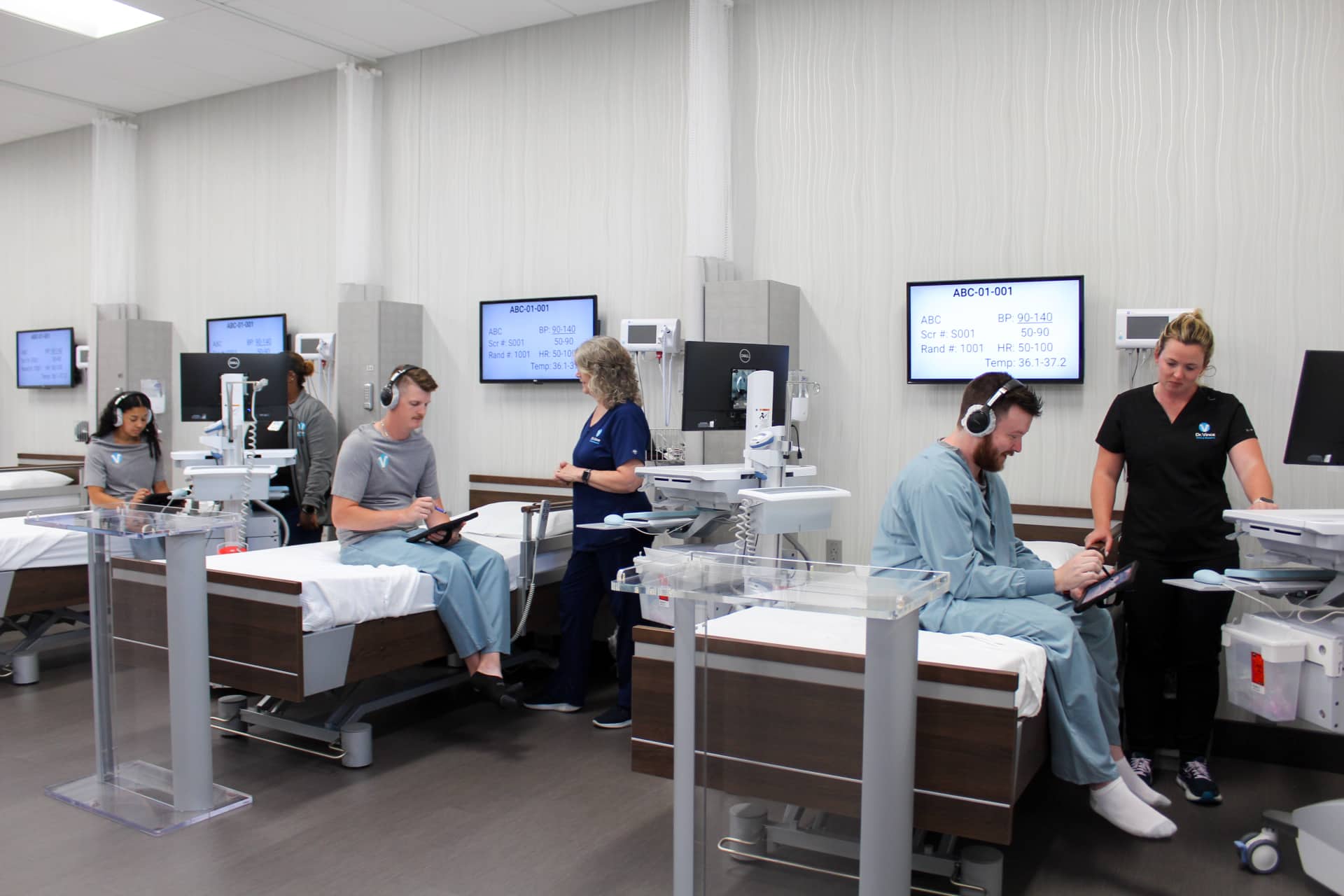
Abuse potential studies depend on participant-rated outcome (PRO) measures including many Visual Analog Scale assessments such as at-the-moment drug liking VAS. Therefore, volunteers must be trained carefully without being coached toward any response. That process is supported by a team of in-house ratings administrators who oversee protocol review, data collectors and participant training to help protect the integrity of the primary endpoint.
High-precision capture of subjective measures
We use ePRO platforms including Cambridge Cognition’s Clinical Trial Information System for Abuse Liability (CTIS-AL) for paperless administration of configurable questionnaires and Visual Analog Scales (VAS), with immediate data storage and real-time access. Sensitive, consistent measurement of change over time is what allows these studies to detect a real signal.
Recruitment for population that is hard to reach
These studies must enroll experienced, non-dependent users who can meaningfully discriminate between a placebo and a positive control, because drug-naive volunteers have not been validated to assess abuse potential. We maintain an impressive database of recreational drug users with experience across drug classes, which is what makes recruitment for these studies feasible. Retention of volunteers is critical for these lengthy cross-over study designs. Because of this, our facility was built with the volunteer in mind.
Pharmacy capabilities with controlled substances in mind
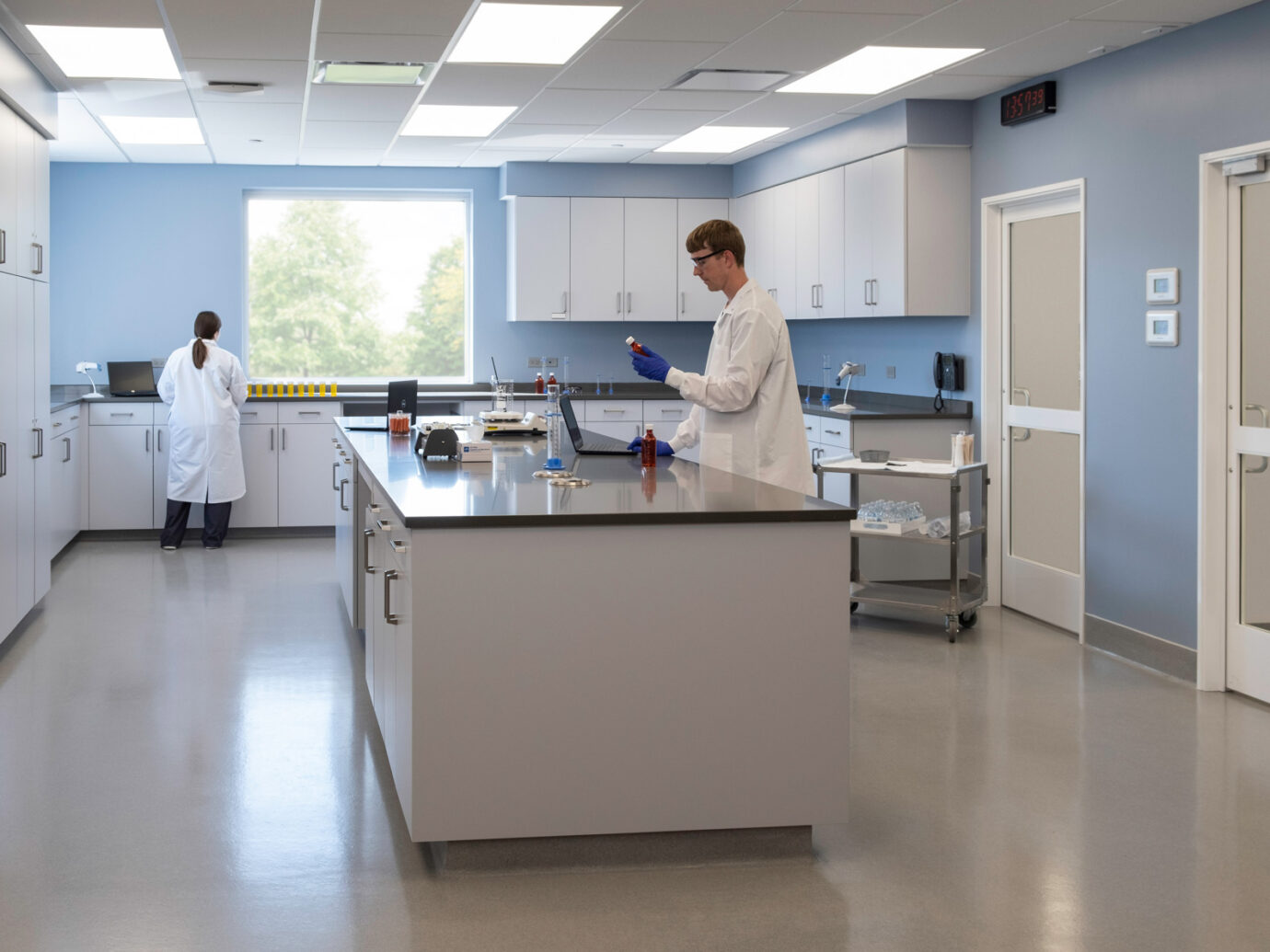
A team of full-time pharmacists with over 50 years of combined research experience handle and manipulate study drugs across various routes of administration including injectable, nasal insufflation and powder in capsule, and use over-encapsulation to maintain the blind.
A cGMP-compliant pharmacy equipped for difficult formulations
A USP 795 compliant compounding room with amber LED lighting handles photosensitive active ingredients, and batch weighing runs on an analytical balance in a HEPA-filtered enclosure, so even sensitive compounds are prepared accurately.
Our approach to HAP/HAL studies
The design of each study depends on the characteristics of the molecule, which is why these programs benefit from product-specific consulting before the protocol is finalized. We recommend submitting both the protocol and the statistical analysis plan to the Controlled Substance Staff (CSS) in the Center for Drug Evaluation and Research (CDER), the body that advises sponsors on abuse potential assessment, so the design is aligned before volunteers are enrolled.
01
Study design and powering
- Randomized, double-blind, double-dummy, placebo-controlled and active-controlled crossover design, typically using a repeated Williams squared design
- Power analysis to justify sample size, given the relatively small populations these studies enroll
- Positive control selection and product-specific design input
02
Qualification and treatment
- Qualification ensures that volunteers can tolerate the drug dosage safely, in addition to distinguishing positive control from placebo
- Treatment phase capturing safety, physiological measures, pharmacokinetic data, abuse-related adverse events and subjective measures
- Common subjective measures including at-the-moment drug liking, overall drug liking, drug similarity and likelihood to take the drug again, each measured on a Visual Analog Scale
03
Regulatory and reporting support
- Protocol and statistical analysis plan prepared for Controlled Substance Staff review
- Specialized protocol and CSR writing by experts in HAP/HAL
- Subjective-measure data configured to meet the study’s exact objectives
Phase I unit infrastructure
Clinical pharmacology unit
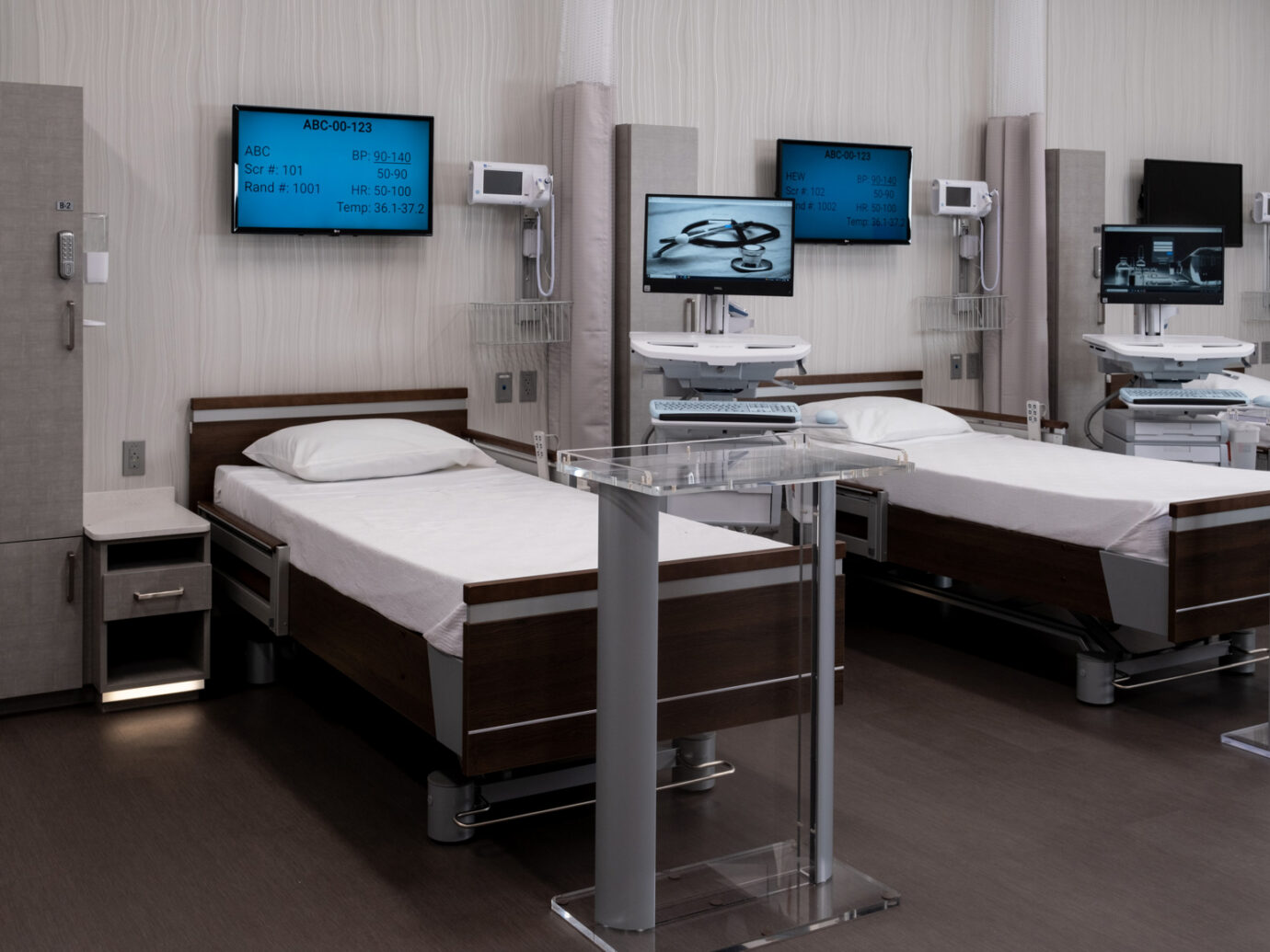
- 100 beds for overnight confinement, including 8 private suites when a protocol requires it
- Five dedicated rooms for pupillometry
- Capabilities for telemetry monitoring, continuous pulse oximetry monitoring or capnography
- Wall-mounted vital sign machines at each bedside, same cuff used throughout each subject’s clinic stay, calibrated annually by the manufacturer
- Round-the-clock video surveillance, 24/7 police coverage and crash carts located throughout the facility
- Integrated with eSource/EDC for automatic data upload, reducing variability
- Multiple nearby hospitals
Pharmacy
- cGMP-compliant pharmacy with 50+ years of combined staff experience
- USP 795 compliant non-sterile compounding room with amber LED lighting for photosensitive API
- Analytical balance housed in a HEPA-filtered enclosure on an anti-vibration table for accurate batch preparation
- Supports complex dosing requirements through advance procurement of protocol-specific infusion equipment and supplies.
Safety and ratings
- Dedicated, 24/7 Advanced Cardiovascular Life Support (ACLS)-certified safety team
- In-house VAS Ratings Team to oversee training and data quality
- Naloxone challenge expertise for opioid studies, supporting protocol compliance and participant qualification requirements prior to dosing
Featured study
Challenge
A sponsor conducting a Human Abuse Potential study required an approach that would maintain blinding across multiple treatment conditions while supporting the rigorous execution standards necessary for abuse potential assessments. Preserving study integrity was critical to ensuring reliable subjective and objective outcome measures.
Approach
Our pharmacy and clinical operations teams collaborated to develop a customized blinding strategy that met the study’s operational requirements while maintaining consistency across treatment conditions. The solution was designed to support study conduct without introducing visual differences that could compromise volunteer or staff blinding.
Outcome
The study team successfully maintained the blind throughout study conduct, supporting the integrity of the assessments and enabling execution of a complex Human Abuse Potential/Liability program as planned. The project highlighted DVCR’s experience managing the operational challenges that are unique to abuse potential studies, including specialized pharmacy support, subjective endpoint collection and cross-functional coordination.
Related resources
Planning an abuse potential study?
Talk to a team with deep experience in HAP/HAL study execution.
Whether you are selecting a positive control, preparing for a Controlled Substance Staff meeting or choosing a CRO, our team can help you evaluate the best approach to execution, including design, recruitment, subjective-measure capture and the unit capabilities that support this complex work.