Why DVCR?
Built differently for pharmacokinetic precision
Accurate PK data starts with accurate timing
Regulatory guidance recommends that samples be drawn as close as possible to each protocol timepoint, because the value of the dataset depends on when each sample was actually collected. Our Phase I unit is staffed and equipped to hold those timepoints, so the PK profile reflects the drug rather than collection variability.
Sampling executed by experienced phlebotomists
Our phlebotomists understand the precision and time management a PK study requires, and they perform direct venipuncture, butterfly needle and indwelling intravenous catheter draws. This range of techniques lets the clinical team match the collection method to the protocol and the volunteer, which protects both sample timing and volunteer comfort across multi-day confinement.
Technology that captures timing at the source
Barcode scanning on volunteer wristbands and sample tubes confirms volunteer identity and captures each timepoint precisely, and countdown features keep procedures on schedule.
Real-time data for faster decisions
Integrated eSource and electronic data capture (EDC) give the clinical team and sponsors real-time access to the data as it is captured, which supports expedited dose escalation decisions and continuous visibility into study progress.
Sample handling kept inside the unit
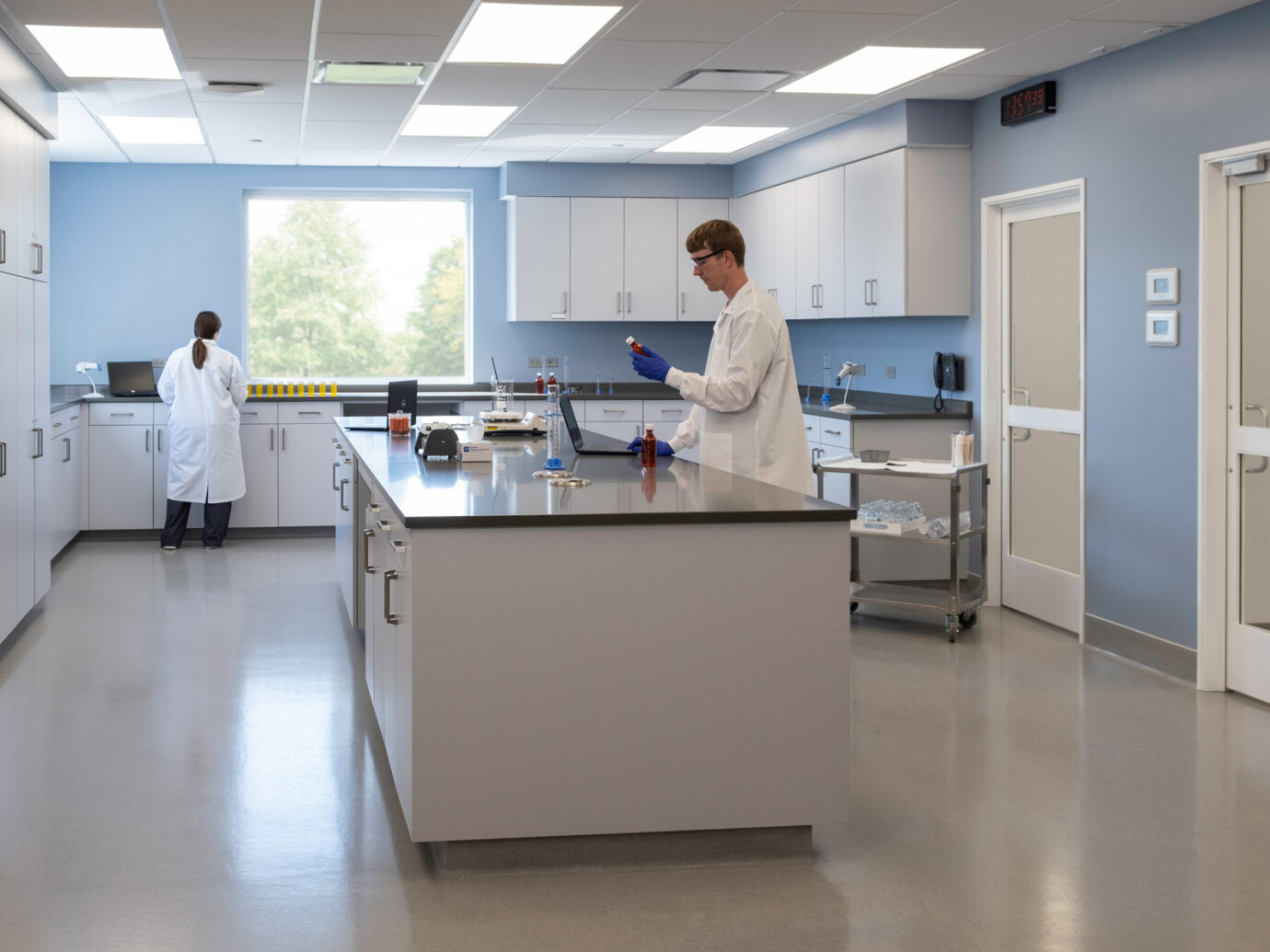
A custom-built Clinical Laboratory Improvement Amendments (CLIA)-certified laboratory processes and ships PK and pharmacodynamic (PD) samples on site, with barcode tracking from collection through shipment. Refrigerated equipment is monitored around the clock, which protects sample integrity between collection and analysis.
Scientific support
Our pharmacokinetic scientists provide strategic support from study design through analysis, interpretation and reporting. We align sampling strategy, clinical execution and analytical planning to generate high-quality PK data that can support dose selection, study optimization and regulatory decision-making.
Our approach to PK studies
01
Study design
- Thorough protocol reviews by a cross-functional team spanning clinic operations, pharmacy and scientific subject matter experts
- Team has extensive experience across the spectrum of clinical pharmacology studies, to help sponsors plan studies that are recruitable, clinically feasible and appropriately designed to effectively address study objectives
02
Rapid turnaround of PK data
- Strong cross-functional collaboration between data management, biostatistics and programming, medical writing and PK teams to ensure seamless data flow and reporting
- Real-time access to clinical data
- Interim and topline noncompartmental PK analyses that can be provided with rapid turnaround to support decision-making
03
Model-informed drug development
We offer model-informed drug development approaches, including population PK (popPK), exposure-response (E-R) analysis and physiologically-based pharmacokinetic modeling (PBPK), to better characterize exposure, variability, covariate effects, drug-drug interaction potential and special population considerations
04
Collaboration with sponsors
- We structure the protocol and the schedule together, so that the assessments outlined in the protocol allow for precisely timed sample collection, and to build in sufficient time intervals between subjects
- SMEs across departments attend sponsor meetings and remain engaged throughout the study to ensure trials run seamlessly
- Data interpretation meetings (medical writing, PK, biostats) allow us to review results with the sponsor at the end of the study to align on interpretation and increase efficiency in the reporting process
Phase I unit infrastructure
Clinical pharmacology unit
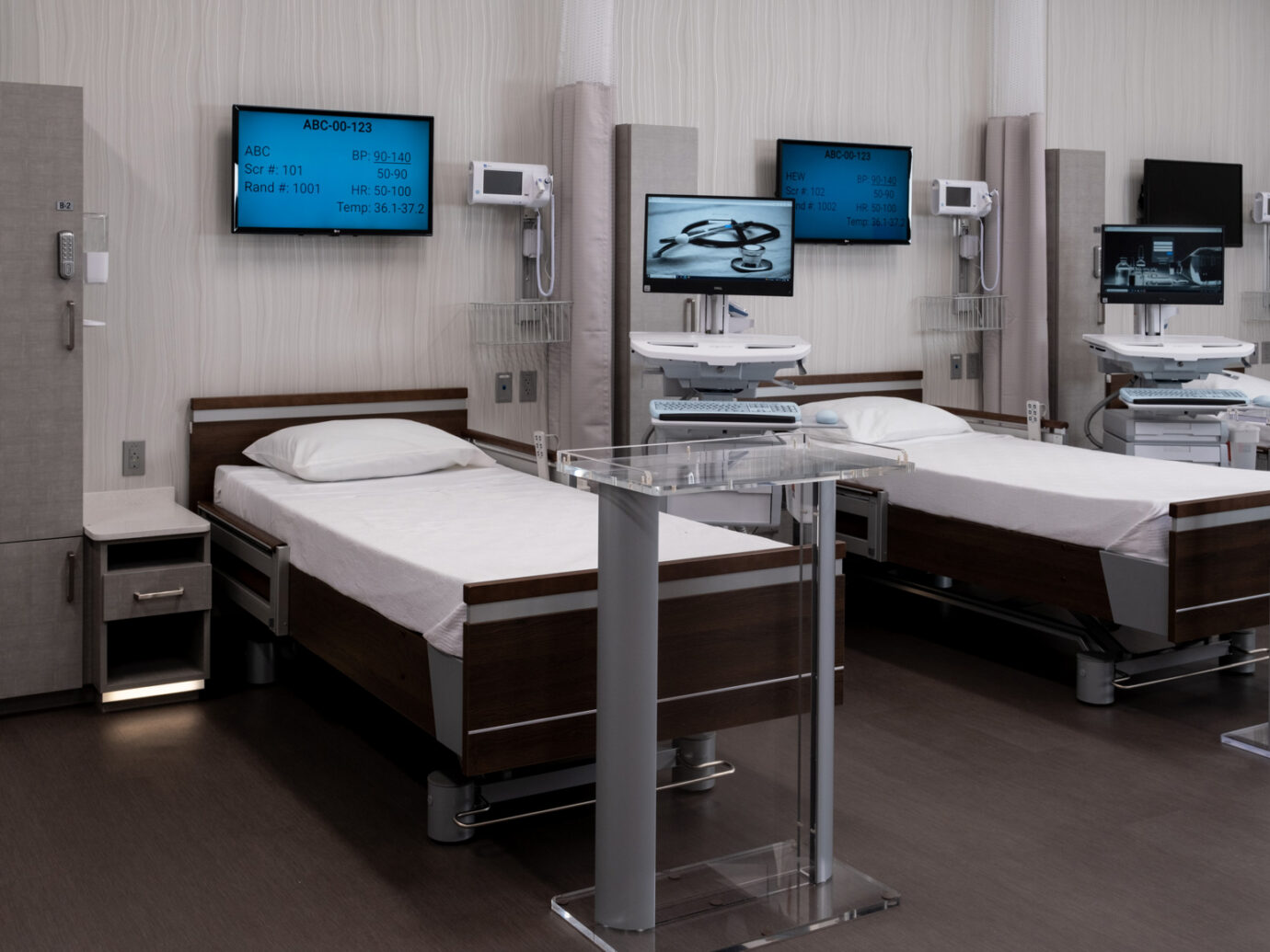
- 100 beds for overnight confinement, supporting the serial sampling and multi-day stays many PK studies require
- Wall-mounted vital sign monitoring at each bedside, integrated with eSource and EDC for automatic data upload
- Custom-built CLIA-registered sample processing laboratory for PK and PD samples
- All refrigerated equipment monitored 24/7 by an audit-ready environmental monitoring system
Site partnerships
- Established network of strategic site partners with documented experience enrolling patient populations
- Dedicated Site Partnership Team managing site selection and ongoing oversight
- Site qualification criteria aligned with investigator experience, enrollment performance and data quality standards
- Consistent execution across all sites to support reliable study delivery and sponsor confidence
Pharmacy
- cGMP-compliant pharmacy with 50+ years of combined staff experience
- Multiple-supplier sourcing and single-lot control for the duration of each study
- Handling and manipulation of study drugs across routes including injectable, oral solution and powder in capsule
Featured study
Challenge
A first-in-human program required PK evaluation across ascending-dose cohorts while maintaining an efficient dosing schedule. The team needed to provide emerging exposure data without allowing PK analysis timelines to delay cohort progression.
Approach
The PK team developed an approach in which available PK results were presented one cohort behind. This allowed the team to evaluate emerging exposure data and support dose-escalation discussions while the next cohort moved forward.
Outcome
The approach integrated PK analysis into the cohort schedule without making each escalation dependent on a complete analysis of the immediately preceding cohort. The sponsor also reported rapid startup, enrollment ahead of schedule, smooth conduct and high-quality data that contributed to a smooth database lock.
Related resources
Planning a PK study?
Talk to a team experienced in PK study execution.
From study design and sampling strategy through clinical execution, data analysis and reporting, we integrate model-informed approaches to help you interpret PK data, characterize variability and support dosing and development decisions.